
U.S. proposes new tariffs on 14 trading partners, including China and the EU, over factory overcapacity
The U.S. Trade Representative proposed new tariffs of up to 35% on goods from 14 economies, saying their industrial policies create excess manufacturing capacity that hurts American producers. China said Thursday it firmly opposes the move. The tariffs are not final and would not take effect before public hearings in January.
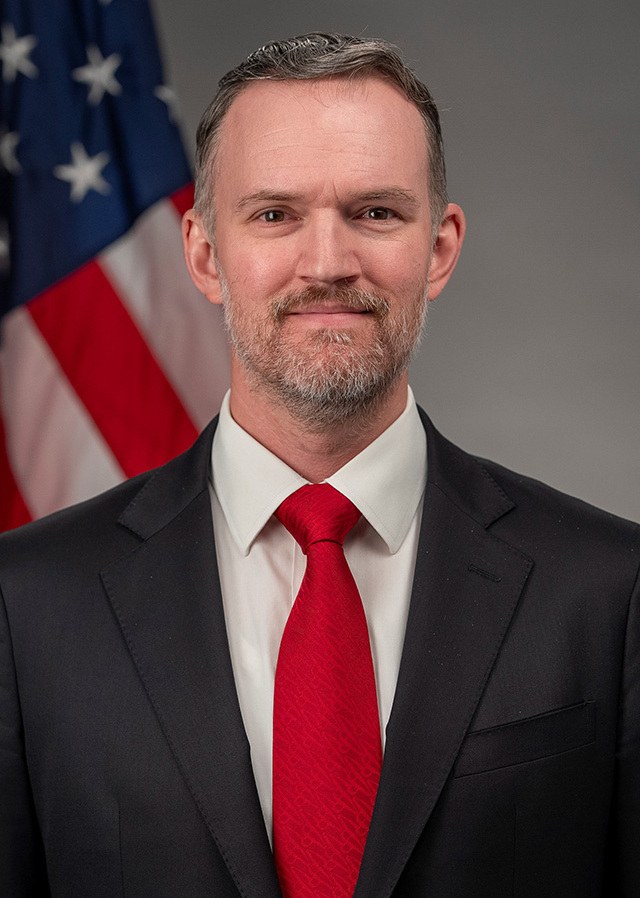
WASHINGTON (Nov. 26) — The Trump administration has proposed new tariffs on goods from 14 economies, including China, the European Union, Japan and India, after finding that their industrial policies create excess manufacturing capacity that hurts American producers, the Office of the U.S. Trade Representative announced Wednesday.
Trade Representative Jamieson Greer determined under Section 301 of the Trade Act of 1974 that the practices of the 14 economies are "unreasonable and burden or restrict U.S. commerce." The proposed rates go up to 35% for Vietnam, 25% for India, 20% for China and Singapore, and 18% for Bangladesh, Cambodia, Indonesia, Malaysia and Thailand. The EU, Japan, South Korea, Switzerland and Taiwan face rates of up to 15%. Several of the proposals would be lowered for countries that reach trade agreements with the U.S., and each includes exemptions for certain goods. USTR opened the investigations in March and made no determination for Mexico or Norway, the other two economies it examined.
The tariffs are proposals, not final actions. Written comments are due Jan. 5, and USTR will hold public hearings starting Jan. 25, according to the agency. Greer told CNBC he did not expect any of them to take effect "earlier than a couple months from now," and said that for most partners the new rates are "not really additive" to existing duties. "In effect, it'll look more like a top up," he said, CNBC reported.
China is the main exception. A senior U.S. official told reporters the proposed 20% rate would come on top of tariffs of roughly 25% imposed during President Donald Trump's first term, bringing U.S. tariffs on many Chinese goods to about 45%, according to CNBC.
China's Commerce Ministry said Thursday that it firmly opposes the proposal. Spokesperson He Yadong called the investigations "a typical act of unilateralism" that violates World Trade Organization rules, urged Washington to resolve differences through dialogue and said China reserves the right to take measures to protect its interests, Xinhua reported. The ministry did not announce any specific countermeasures, according to China Daily.
- Office of the U.S. Trade Representative, USTR Makes Determinations and Proposes Actions in 14 Section 301 Investigations
- CNBC, U.S. unveils new Section 301 tariffs targeting China, EU and others
- Xinhua, China firmly opposes U.S. additional tariffs on China, other economies: commerce ministry
- China Daily, China firmly opposes proposed US Section 301 tariffs
Written by Serious Business Staff from the reporting and documents above. All reporting credit belongs to those sources.
- US
Macy's Thanksgiving Day Parade postponed to Saturday as storm threatens New York
- Tech
Nvidia board reinstates Jensen Huang as CEO, effective immediately
- US
Rep. Jimmy Gomez to resign Dec. 1 after House Ethics report finds evidence of sexual misconduct
- Tech
Virginia and Oregon sue SpaceX over sexualized images made with Grok AI